


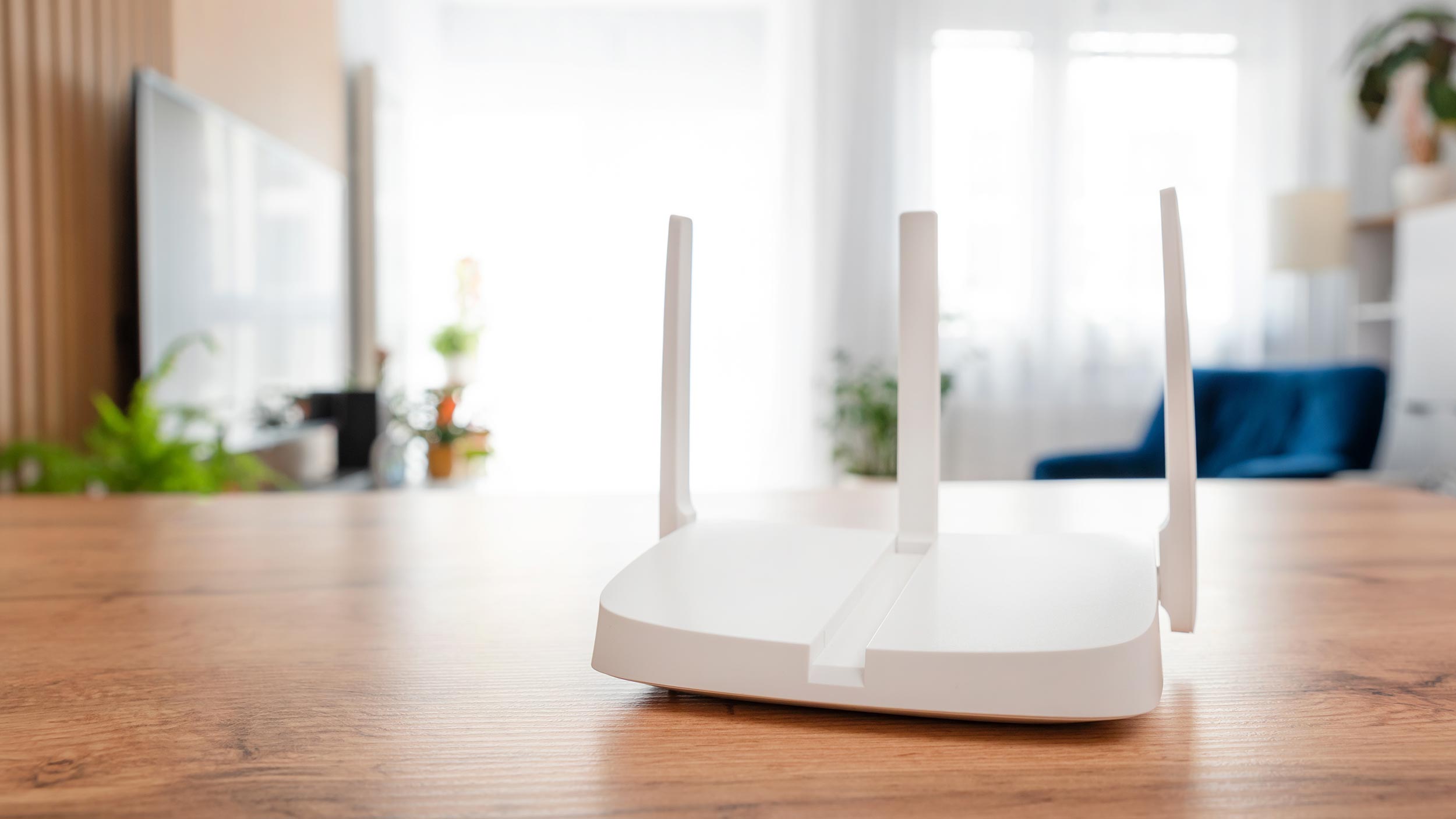
IoT Routers
Reliable connectivity for locations and operations that cannot afford uncertainty.
An IoT router does more than connect devices to the internet.
It creates a stable, secure connection between your equipment, your location and your wider operation – so data keeps flowing, systems stay reachable and your team stays in control.
That is why we look beyond the router itself. We help you choose the right setup for your environment, your continuity requirements and your rollout model – so connectivity works in practice, not just on paper.

A router only creates value when it keeps operations running.
Many environments depend on connectivity without having the luxury of fixed, reliable local infrastructure. Think of temporary sites, industrial locations, field deployments, retail environments or distributed operations.
The real value is not the router as a box.
It is what the router protects: uptime, visibility, remote access and operational continuity.
Connectivity is only useful when
it reduces operational risk.
A strong router setup helps you:
- Keep locations, machines or local networks connected through secure mobile connectivity
- Reduce dependency on unstable or unmanaged third-party networks
- Maintain continuity when one connection path fails
- Connect and manage equipment remotely with more confidence
- Scale from one site to many locations without losing control
Routers are most valuable where stable connectivity protects business continuity.
Typical applications include:
- Temporary or remote sites that need immediate internet access
- Industrial environments where equipment and systems need secure remote connectivity
- Retail, branch or field locations without dependable fixed infrastructure
- Transport, mobility and smart city deployments
- Backup connectivity for critical business operations
- Distributed environments where many local devices need one reliable uplink
The best router is the one that fits the real-world environment.
What needs to stay connected?
Sometimes the router connects a single machine or application. In other cases, it supports an entire local network of devices, sensors, cameras or industrial systems. That difference shapes the design.
What is the required bandwidth?
Some environments only need lightweight telemetry and remote access. Others require more data-heavy performance, for example where video, high-throughput applications or multiple connected systems are involved.
How critical is continuity?
If downtime has a real operational cost, resilience matters. Features such as dual SIM, auto-failover, backup WAN and load balancing become especially relevant in continuity-sensitive environments.
What interfaces and protocols are needed?
In industrial or utility settings, the router often needs to work with more than internet traffic alone. Depending on the environment, that may include industrial protocols, serial interfaces or machine connectivity requirements.

Warm in how we work. Precise in how we deliver.
We help you design for continuity
So the router supports the operation, not just the connection.
We match the setup to the real environment
Not only to a spec sheet, but to the risks and requirements on site.
We think beyond the first deployment
Because the real challenge starts when one site becomes many.
We keep it clear
Short lines, clear choices and no unnecessary complexity.
We stay focused on operational value
Because a router is not there to look impressive. It is there to keep things running.
A good router is only as strong as the network strategy behind it.
Router performance depends on more than hardware. The mobile network, failover logic, local setup and security model all influence how reliable the connection really is.
That is why we treat router choice and connectivity design as one decision, not two separate ones.

Router connectivity becomes operationally valuable when it is easy to manage at scale.
As soon as you move beyond a single site, management matters. You need visibility into status, the ability to make changes remotely and confidence that devices remain secure and supportable over time.
That is why we always look at routers as part of the wider chain:
- Central visibility into device and connection status
- Remote configuration and support where appropriate
- Better control across multiple sites or deployments
- Security and access management as part of the setup
- A rollout model that stays manageable as you grow
Different use cases call for different router logic.
Compact 4G Routers
Built for straightforward deployments where reliable mobile connectivity and easy rollout matter most.
Industrial Dual-SIM Routers
Built for environments where uptime, failover and operational resilience are more important than the lowest-cost setup.
5G Routers
Built for data-heavy or future-oriented deployments where higher throughput and long-term scalability matter.
Protocol-Ready
Industrial Routers
Built for industrial and infrastructure environments where serial interfaces, industrial protocols or machine connectivity are required.
Managed Multi-Site
Router Deployments
Built for organisations that need one approach across multiple locations, with consistent visibility, security and remote support.
Want to know which router setup best fits your environment?
Request a free demo and we will help you choose the right balance between continuity, bandwidth, resilience and manageability – with advice you can actually use in rollout decisions.